
Preparing Your Heating System: Why Is It Important?
As winter approaches, heating your home becomes a top priority for comfort and safety. Many homeowners wait until the temperature drops and their system fails before thinking about maintenance. Regular boiler maintenance not only ensures the system runs smoothly but also significantly lowers gas consumption and utility costs.
First Step: What You Can Do Yourself (DIY)
There are several simple steps that any homeowner can take without professional help:
- Bleeding the Radiators: If a radiator is warm at the bottom but cold at the top, it means air has become trapped inside. Use a radiator key to carefully bleed the system until water comes out.
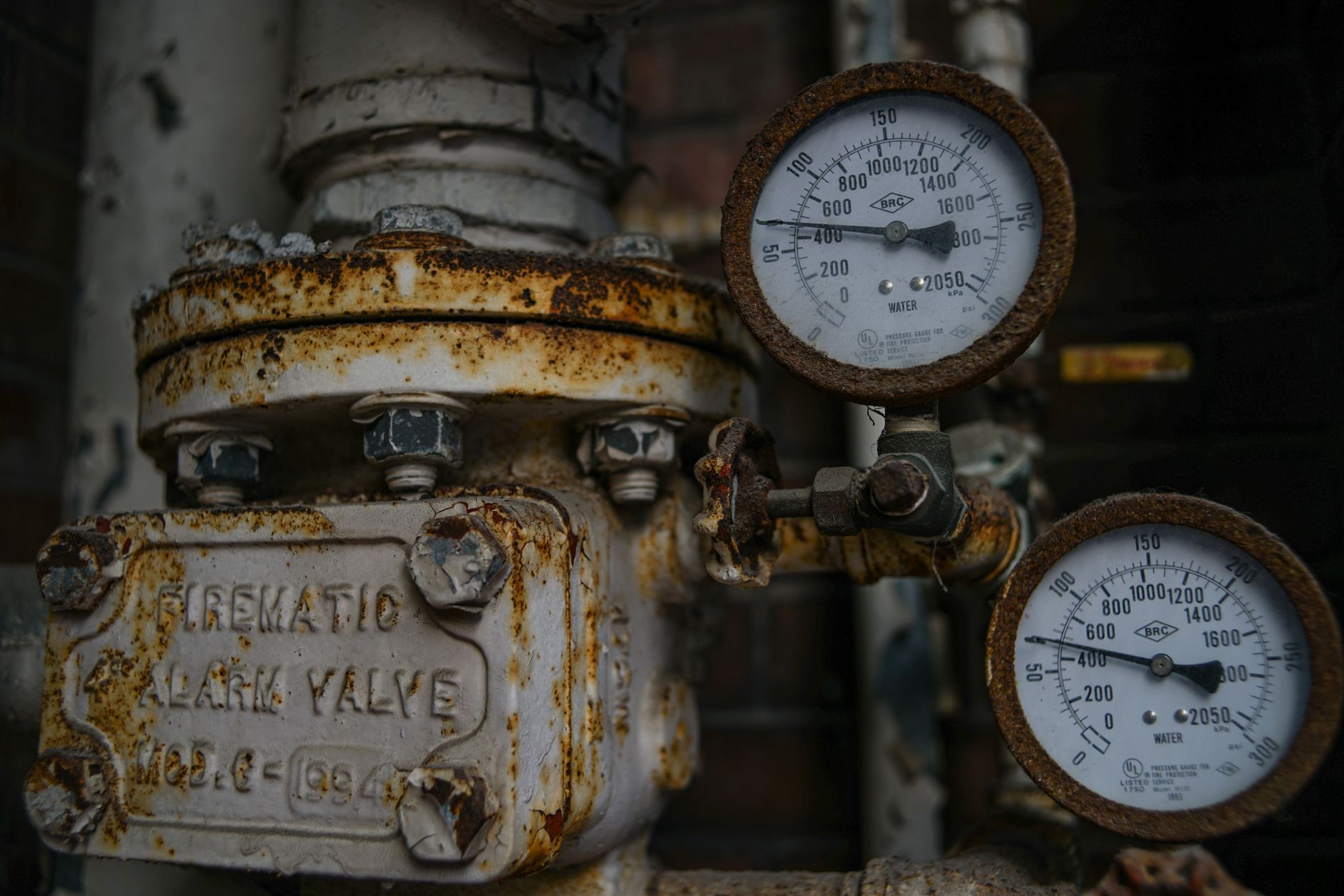
- Checking the Pressure: Look at the pressure gauge on your boiler. For the winter season, normal pressure should be between 1.2 and 1.5 bar. If the reading is too low, use the filling loop to top up the system.
- Calibrating the Thermostat: Check if your thermostat is accurately displaying the room temperature. Sometimes, simply changing the batteries is enough to improve the efficiency of your system.
When Do You Need a Professional?
Despite these DIY tips, there are tasks that require a certified specialist, especially regarding gas safety. On the Sheniane platform, you can find experienced professionals who can carry out:
- Combustion chamber cleaning: Removing dust and soot is essential for efficient burning.
- Expansion vessel checks: A malfunction here leads to constant pressure fluctuations.
- Electronic control board diagnostics: The 'brain' of the system must be protected from voltage fluctuations.
Warning Signs: When to Call a Technician?
Don't wait for a total breakdown. Call a professional if:
- The boiler shuts down frequently or operates with unusual noises.
- You notice signs of water leakage in the system.
- An unknown error code appears on the display that is not covered in the manual.
- Radiators do not reach the desired temperature despite high settings.
Frequently Asked Questions
Why is the radiator cold at the bottom? This is usually the result of trapped air. You need to bleed the radiator. If that doesn't help, the problem might lie with the circulation pump or a buildup of sludge.
What does the error code on the boiler mean? Every boiler has specific error codes. First, check your boiler’s manual. If the code persists, it means the sensor or a connection requires professional intervention.
Summary
Maintaining your home is a long-term investment. Regular checks save you from unplanned expenses. If you feel your heating system needs attention, don't put it off. Register your job request on Sheniane and choose a trusted professional to keep your family warm and comfortable throughout the winter.